What Is Freight Consolidation: Its Benefits & Challenges

consolidated freight

Consolidated freight refers to the practice of combining shipments from multiple sources into a single shipment. By grouping your goods with others, you can leverage the benefits of shared transportation. It’s a smart solution for businesses with smaller quantities of products.

In this guide, we will explore the concept of consolidated freight and disclose its importance, advantages, challenges, and solutions. Learn the ins and outs of consolidated freight and you’ll gain insight into how combining shipments can optimize your logistics operations.

So, join us!

Part 1. What is Consolidated Freight?

1) Consolidated Shipping Meaning

Freight consolidation is the practice of combining multiple smaller shipments, from various suppliers or importers, into one large load to maximize container space.

These grouped shipments generally share a similar destination or hub terminal, where they are sorted for final transport. By grouping cargo rather than shipping individually, you can optimize resources and lower freight rates.

2) Consolidated Freight Shipping Methods
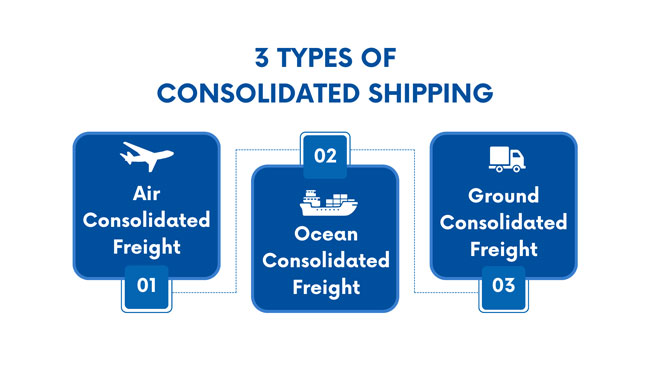
types of consolidated freight

Method 1. Air Freight Consolidation

Air freight consolidation involves combining multiple smaller shipments from different shippers into a larger, consolidated shipment transported by air. This method is ideal for time-sensitive shipments or when there is a need for faster transit.

Method 2. Ocean Freight Consolidation (LCL to FCL)

Ocean freight consolidation is the process of combining smaller shipments into one large container transported by sea. The less-than-container load (LCL) will be consolidated into one 20’ or 40’ container (FCL).

It is commonly used for international trade due to its cost-effectiveness and ability to handle larger volumes.

Method 3. Trucking (LTL to FCL)

Ground freight consolidation is transported by road, whether in trucks, trains, or other ground vehicles. Less-than-truckload (LTL) is the option for it by consolidating several pallets to fill the truck. It is commonly used for domestic shipments or shorter distances, offering flexibility and cost efficiency for businesses.

Next, let’s explore more.

Part 2. Benefits of Freight Consolidation

The following are the advantages of consolidating your small shipments.
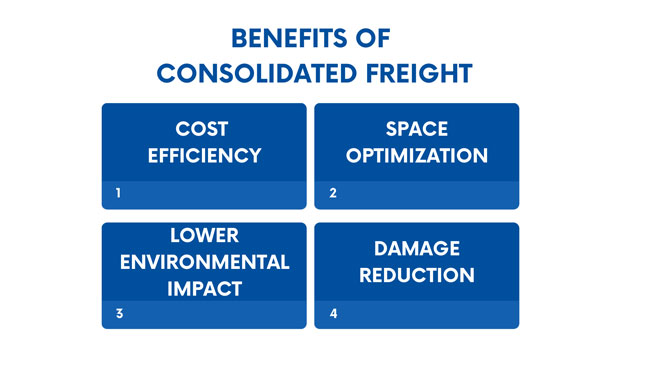
benefits of consolidated shipping

1. Reduce Freight Rates

Cost-benefit is the instant pro of cargo consolidation. The freight is allocated based on the actual size or weight of the goods, so it is suitable for cases where your shipments are not sufficient to fill the entire container by sharing shipping costs with other importers, rather than paying for a full container.

What’s more, consolidation means fewer individual shipments to handle. The reduction in handling translates to lower labor costs, thus optimizing the use of costs.

Example: If a supplier’s shipment only takes up a quarter of the container’s space, you might choose to ship it as LCL (Less than Container Load). However, by consolidating shipments from other factories, you can fill a full container. Shipping one full container (FCL) instead of several LCL shipments will significantly reduce freight costs.

2. Optimize Container Space

Small or less-than-full shipments can make better use of the available space in shipping containers. By sharing space with other suppliers’ orders, you are not going to pay for empty space.

For your warehouse, it can lead to a more organized and clutter-free storage environment because the product quantities are reduced while arriving at the warehouses, and it is easier and efficient to manage its inventory.

3. Lower Environmental Impact

Making good use of transportation space can be beneficial to the environment, as fewer trucks or containers required can contribute to a reduction in fuel consumption and greenhouse gas emissions.

4. Minimize Cargo Damage Risk

Fewer touchpoints mean fewer opportunities for mishandling or accidents. Consolidated shipping typically involves less handling of individual packages. This reduction in handling lowers the risk of damage, ensuring the good condition of your products.

Part 3. Challenges in Consolidated Shipping & Their Solutions

While consolidated cargo offers benefits, there are some challenges you should be aware of.
challenges of freight consolidation

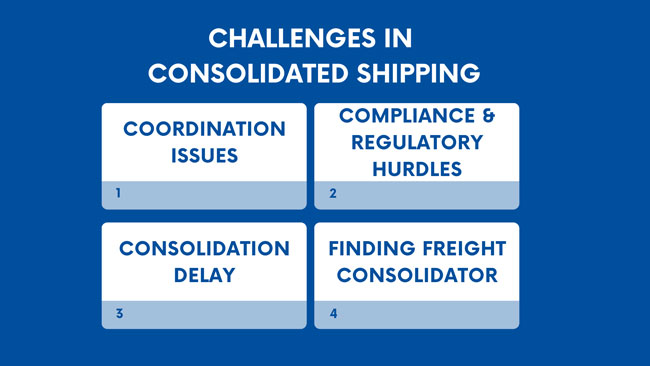
1. Coordination Issues

Order consolidation involves multiple parties: shippers, consolidators, and carriers. Everyone needs to be on the same page. If there is a lack of transparency or weak relationships among these roles, coordination issues may arise to disrupt the entire process.

Solutions:

  • Build Strong Partnerships: Develop close relationships with consolidators and carriers to foster trust.
  • Keep Communication Flowing: Establish clear communication channels and maintain regular contact for smooth coordination.

2. Compliance and Regulatory Hurdles

It is challenging to comply with all the necessary regulations and customs requirements of the exporting country when you are consolidating different products from various suppliers.

Solutions:

  • Proactive Documentation: Prepare all necessary documentation well in advance and make sure they are accurate and readily available for customs inspection.
  • Expert Guidance: Collaborate with freight forwarders or customs brokers who specialize in international shipping.
  • Stay Informed: Keep up-to-date on the latest regulations and trade agreements that might affect your shipments.

3. Consolidation Delay

Compared to direct shipping methods, consolidated freight may encounter delays. The need to wait for all individual shipments to arrive before consolidation, as well as potential stops for deconsolidation, can result in extended transit times.

Solutions:

  • Advanced Planning: Plan your consolidation schedule and build in some flexibility to accommodate potential delays or last-minute changes.
  • Strategic Stop Points: Choose consolidated shipments that have the same points to consolidate and de-consolidate.
  • Real-Time Tracking: Leverage technology to track shipments in real-time.

4. Finding the Right Freight Consolidator

Not all freight consolidators are created equal. It is not easy to find and select a reliable and efficient consolidator who can handle your specific needs. Poor service can lead to delivery schedule dilemmas, damaged goods, and increased costs.

Solutions:

  • Thorough Research: Conduct thorough research on potential freight consolidators. Look for a consolidator with experience and a strong reputation for customer satisfaction.
  • Seek Recommendations: Ask for recommendations from other businesses or industry associations.
  • Partner With Third-Party Service Providers: Engage with third-party service providers who have established relationships with a network of carriers.

Part 4. How to Consolidate Freight from Asian Suppliers

The flow of consolidated freight generally is:

  • Pick-up
  • Consolidation Warehouse
  • Line Haul
  • Deconsolidation
  • Final Delivery


If you don’t know how to start your order consolidation, let’s break down the process step by step.
consolidated shipping process

Process Overview of Cargo Consolidations

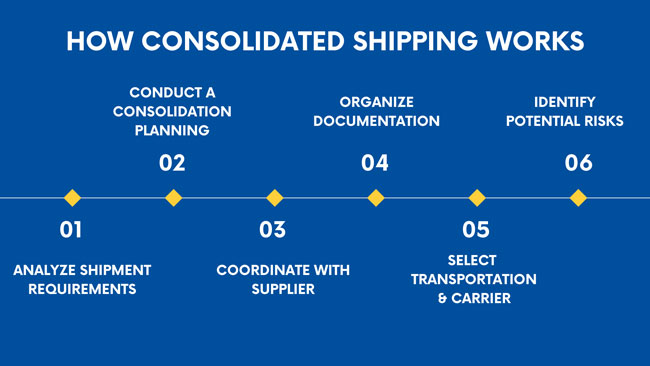
1. Analyze Shipment Requirements

✔ Review your shipping needs: product types, volumes, weight, and any special handling requirements.

✔ Determine the origin and destination of the shipment, including any potential stops along the way.

2. Conduct a Consolidation Planning and Execution

✔ Set realistic delivery deadlines and consider any potential delays.

✔ Develop a detailed consolidation plan and wait to arrange transportation to bring the shipment to the location for consolidation.

3. Coordinate with Supplier

✔ Communicate with all suppliers involved to ensure they are aware of the consolidation plan.

✔ Establish clear timelines and expectations for pick-up and delivery.

✔ Align pick-up schedules to facilitate smooth consolidation for consolidation on time

4. Organize Documentation and Customs Compliance

✔ Prepare all required documentation and customs paperwork in order.

✔ Double-check all documents for accuracy and completeness to avoid delays at customs.

✔ Work with freight forwarders or customs brokers to ensure compliance with all regulations.

5. Select Appropriate Transportation and Carrier

✔ Choose the best transportation method and carrier based on the consolidated shipment’s type, size, weight, and destination.

✔ Consider factors like cost, speed, and reliability.

6. Identify Potential Risks and Challenges

✔ Assess potential risks such as delays, damage, or regulatory issues.

✔ Develop backup plans to address these risks.

Part 5. Is Freight Consolidation Suitable for You?

Consolidated shipping isn’t a one-size-fits-all solution. Before jumping in, take the following factors into consideration to see if it’s the right fit for your business:
consolidated freight considerations

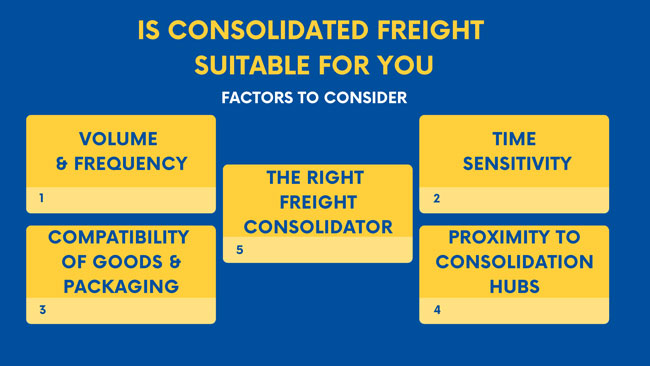
1. Volume and Frequency of Shipments

Evaluate the shipment volume and frequency to optimize your consolidation strategy.

2. Time Sensitivity

If your products can wait, having flexibility in the delivery schedule, they can be combined with other goods for shipments. Conversely, products require expedited delivery or have strict deadlines, cargo consolidation is not the best because of the extra time needed for consolidation.

3. Compatibility of Goods and Packaging Requirements

Consider the types, fragility, and packaging needs of your products. It’s better to combine shipments of similar goods that require specialized packaging. This helps minimize risks and streamline the handling process.

4. Geographic Proximity to Consolidation Hubs

Usually, consolidated shipments are typically routed through designated hubs for sorting, organization, and distribution. Assess the feasibility and cost of transporting your goods to these points. The closer your final destination is to the consolidation hub, the better you can streamline the process.

5. Choose the Right Freight Consolidator or Logistics Provider

An experienced freight consolidator is crucial for consolidated freight shipping. They can effectively handle the consolidation process and build connections with suppliers and carriers. Consider their network coverage, track record, expertise, and customer reviews to make an informed decision.

In Short:

✅ What is best for consolidation shipping:

  • Small and medium-sized goods in low order volume
  • Frequent or regular small orders
  • Low single-sourcing amount
  • Non-urgent cargos
  • Companies needing to optimize cash flow
  • Companies needing flexible restocking

❎ What is not suitable for consolidated cargo:

  • Strict delivery times or special conditions (e.g., temperature-controlled goods)
  • High-value or fragile products
  • Hazardous goods or tightly regulated goods
  • Oversized or irregular shaped items (single shipments more than 15 CBM)
FAQ about Freight Consolidation

Q1. How to reduce shipping costs with consolidation from Asia?

To ship products from Asia to your target market, you can choose this consolidation strategy to lower your logistics costs in international transportation.

By consolidating many small orders into fewer, larger shipments, you can use full containers to achieve economies of scale by sharing space with other shipments.

Higher volume in one move qualifies you for better FCL rates instead of expensive LCL pricing.​

Q2. What is an example of consolidated shipping?

Say you place three separate orders in China:

  • 3 pallets from Supplier A
  • 2 pallets from Supplier B
  • 2 pallets from Supplier C


Instead of shipping each order separately, your freight forwarder collects all 7 pallets at one warehouse. They are loaded together into a single 20-foot container.

If your shipment isn’t enough to fill a full container, your pallets can be combined with goods from other buyers (only if you agree) and shipped in a shared 20-foot or 40-foot container.

Once the container arrives at your destination, everything is deconsolidated and delivered to your final address.

Conclusion

By sharing the container space with other goods, consolidated freight has the power to reduce transportation costs and streamline supply chains.

Whether you have low-volume orders or larger shipments, SVI Global is committed to finding the best solution for you. From inspections to transportation, we take care of every aspect of your consolidated cargo. Our own logistics team will work closely with you to analyze your shipping requirements, identify opportunities for consolidation, and implement a customized solution that delivers tangible benefits to your business.

Table of contents

Related Blog
Get in Touch

Send us a message, we’ll get back to you within 24 business hours.

Get a Free Quote Now!

Send us a message, we’ll get back to you within 24 business hours.

Message

Reading Club

The goal of SVl Reading Club is to READ, THINK, and ENJOY. 

Club members will explore a shared classic book each session. Through individual reading, club discussions and sharing of reading inspirations, members will engage in meaningful and thoughtful exchanges of ideas. Cultivating a reading habit will help to promote cognition, enhance your knowledge, and foster flexible thinking.

reading club