What Is Offshore Manufacturing? Pros, Cons, and Cost-Saving Benefits
- Date:
- Author: SVI Content Team
- Share:
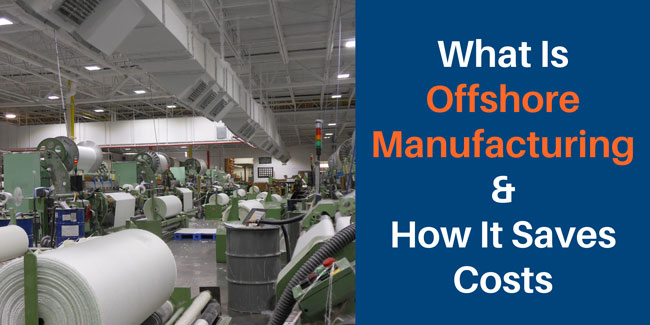
As production costs rise and competition intensifies, more businesses are turning to offshore manufacturing — relocating production to countries with lower labor costs, favorable trade policies, and established manufacturing infrastructure — to protect margins and scale capacity in ways that simply aren’t feasible in the domestic market.
But offshoring isn’t a guaranteed win. Alongside the real advantages, there are hidden costs, quality challenges, and operational risks that catch many businesses off guard.
Is it the right move for you? In this guide, we break down why companies choose offshore manufacturing, the benefits it can deliver, the risks worth knowing, and how to decide if and when it makes sense for your business.
Part 1. What Is Offshore Manufacturing?
The concept of offshoring manufacturing became a prominent business strategy in the mid-20th century, which was driven by the development of industry.
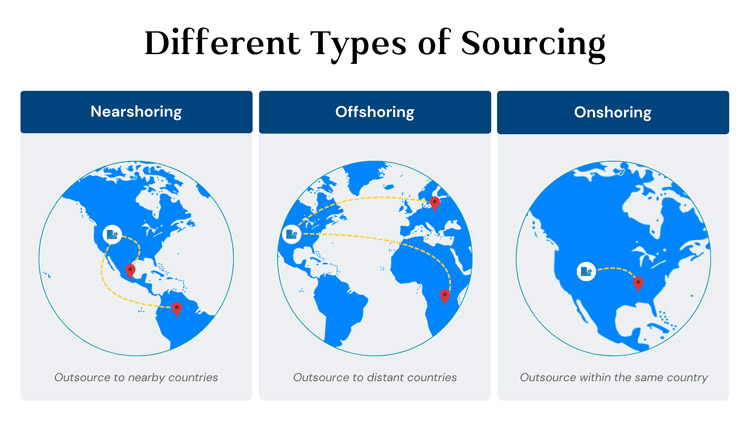
It means companies relocate part or all of their production processes to other countries (usually in Asia) that are far away from a company’s home country, largely aiming to maximize profit by reducing production costs.
The practice of manufacturing goods outside domestic borders, primarily to benefit from lower labor & production costs, relaxed environmental and labor regulations, economic advantages, and better access to raw materials. This enables businesses to compete globally and cut costs.
Part 2. Why Companies Look Offshore in the First Place?
1) Rising Domestic Costs
Margins are shrinking because domestic labor and overhead keep going up, which often makes unit costs stay higher than in typical offshoring locations.
2) Stricter Regulations and Compliance Burdens
Environmental, safety, and labor rules are tightening across most developed markets. The time and money spent on compliance to make simple, low-margin products meet the requirements may not generate profits.
3) Intensifying Global Competition and Market Pressure
More competitors are entering the market, and the pressure to stay competitive on both price and quality is relentless. In a globalized economy, companies also need faster delivery across multiple markets, and this requires a more distributed production footprint.
4) Structural Gaps in Local Labor and Capacity
Aging populations are making it harder for domestic factories to hire and retain workers. Meanwhile, some product manufacturing — like textiles — has gradually shifted overseas over the decades, leaving behind only fragmented local capacity that’s difficult to scale and deliver a stable supply.
5) Tax Incentives and Trade Policy
Favorable trade agreements between countries can significantly reduce import and export duties, improving landed costs. Conversely, a lack of trade agreements from your home country into key markets can push duties high enough to make local production uncompetitive when selling internationally.
6) Raw Materials and Supply Chains Are Located Elsewhere
Some products rely on raw materials or specialized suppliers that are anchored in foreign regions. Companies importing those inputs from abroad anyway will add extra shipping time and expense.
7) The Need to Focus on Core Strengths
Many companies’ real competitive advantages lie in product development, brand building, and channel management. When too much energy goes into running manufacturing, strategic priorities take a back seat.
8) Lower Barrier to Managing Offshore Operations
Advances in communication and collaboration technology, like video calls, real-time dashboards, and digital QC reports, have lowered the operational complexity of managing overseas production.
Part 3. Benefits of Offshore Manufacturing
1) Optimize Costs
Most firms that seek offshore manufacturing are driven by the lower cost abroad. This is the most undeniable offshore manufacturing benefit.
Chinese factory workers earn on average 10% of what American workers make, reducing production expenses substantially. Studies also show companies can save over 30% even after training and setup costs.
Lower labor, overhead, and input costs, combined with favorable trade policies, give offshore manufacturers a structural price advantage that’s difficult to replicate, directly protecting your margins in an increasingly competitive market.
2) Improve Operational Efficiency
When manufacturing is handled by specialized offshore partners, your team gets to free up internal resources and focus on what actually moves the needle. Besides, modern collaboration tools make managing offshore manufacturers more straightforward than ever, so handing off production doesn’t mean losing visibility or control. It means spending your energy where it counts.
3) Unlock Production Capabilities
Offshoring unlocks production capacity and expertise that may not be feasible at home.
Established offshore manufacturing hubs bring deep category expertise, mature supply chains, and the infrastructure to scale while delivering consistent quality and a reliable product supply.
Working with multiple suppliers also gives you the flexibility to ramp volumes up or down as market demand shifts, without being locked into a single production setup.
4) Access to Skilled Labor and Resources
Offshoring opens the door to materials, technologies, and worker expertise that may be scarce or prohibitively expensive domestically. Many offshore hubs have large pools of workers with hands-on experience in niche manufacturing processes, which can meaningfully shorten development timelines and improve manufacturability.
5) Improve Global Competitiveness & Market Responsiveness
Producing closer to key overseas markets or within well-connected logistics hubs cuts lead times and reduces delivery costs. But beyond logistics, offshore locations often serve as natural gateways into fast-growing emerging markets, opening up new sales opportunities and brand exposure that would be harder to access otherwise.
The result is a business that can serve customers across multiple regions faster, more cost-effectively, and with greater consistency.
6) Enhance Supply Chain Resilience and Flexibility
Relying on a single region or supplier is a risk that has caught many businesses unprepared in recent years. Offshoring, diversifying production closer to raw materials sources and specialized supplier networks, reduces that dependency and builds in the flexibility to absorb disruption without grinding to a halt.
Need Help for Your Sourcing Project?
Let SVI Global find the right suppliers and manage your project.
We guarantee quality and on-time delivery!
Part 4. Risks of Offshore Manufacturing
1) Hidden and Additional Costs
Cost savings are often the main reason companies choose offshore manufacturing, but the real cost should not focus only on wages or the ex-factory price. Offshore production usually involves additional expenses that are easy to underestimate.
For instance, import duties, freight, insurance, compliance testing, factory audits, and travel costs all add to the final bill. Longer lead times also require higher inventory levels and earlier payments, which ties up working capital.
These hidden expenses can raise total costs by around 27% beyond the original product and shipping costs.
2) Diminished Control in Product Quality
Quality issues require additional oversight and corrective action. Suppliers may not use the same systems, tools, or quality practices as your home‑country plants. Without strong on‑site quality control or third‑party inspections, issues such as inconsistent manufacturing, material substitutions, or defects in early production batches may occur, increasing the risk of rework, delays, or returns.
3) Longer Lead Times and Logistic Risks
Offshore production is longer and more complex than manufacturing domestically. Imported goods need to take into account the shipping time required, customs clearance and additional handling steps. Any instability in between can extend the delivery time by weeks.
The longer delivery time in the supply chain is more susceptible to unexpected events, such as port congestion, rising freight rates, tariffs and exchange rates, as well as factory shutdowns for public holidays.
All of these require proactive planning. Arrange your shipments early, build buffer time into your schedules, and keep a close eye on supply chain developments in your sourcing regions.
4) Legal and Contractual Risks
Working with overseas suppliers often requires sharing product designs, technical drawings, tooling, and process. If contracts and legal protections are not strong enough, companies may face risks such as design copying, unauthorized production, or misuse of proprietary information. In addition, resolving disputes across different legal systems can be difficult and expensive.
Checking and signing the contract is of paramount importance, as it can prevent the company’s rights and interests from not being protected in case of disputes.
5) Communication and Cultural Barriers
Language differences, time zone gaps, and different business practices can slow communication and create misunderstandings. Technical details such as specifications, tolerances, or packaging requirements may be interpreted differently, especially when communication is limited to email or messaging.
6) Ethical Concerns
Some offshore manufacturing regions face scrutiny over labor practices, working conditions, and environmental standards. Buyers must ensure that their suppliers follow acceptable labor regulations and workplace safety requirements. Failure to monitor these issues can damage brand reputation and result in regulatory penalties and supply chain disruptions.
Regular factory audits and supplier assessments are the necessities that keep your supply chain on the right side of both regulation and public expectation.
7) Trade Disputes & Regulation Changes
Global supply chains are influenced by political and economic factors. Tariffs, trade disputes, regulatory changes, or currency fluctuations can suddenly increase costs or disrupt your sourcing plans. Companies that rely heavily on a single overseas manufacturing region the most exposed when these changes hit.
Q&A about Offshore Manufacturing
Q1. When should you consider offshoring products?
Offshoring has its pros for a company in some cases. You should consider manufacturing offshore:
- When local production costs are too high, offshore manufacturing can help a company keep its products competitive in the market.
- When domestic factories do not have enough capacity, offshore manufacturing can provide the scale needed to support growing order volumes.
- When a business is under pressure to reduce costs, offshore manufacturing is often considered as a way to improve pricing while maintaining acceptable quality.
- When a product is labor-intensive, offshore manufacturing may offer a clear advantage because labor costs are often lower in overseas markets.
- When overseas supply chains are more developed, offshore manufacturing can provide better access to raw materials, components, and specialized support services.
- When a company needs to scale production quickly, offshore manufacturing can offer faster access to larger manufacturing capacity.
- When tariff structures, duties, or trade policies make another country more cost-effective, offshore manufacturing becomes a practical sourcing option.
- When a business wants to reduce supply chain risk, offshore manufacturing can help diversify production across different countries or regions.
- When production schedules can accommodate longer lead times, offshore manufacturing becomes more manageable from a logistics perspective.
- When a company wants to focus more on branding, sales, and product development, offshore manufacturing allows production to be handled by external partners.
- When a product has reached a stable mass-production stage, offshore manufacturing is often used to improve cost efficiency on repeat orders.
- When the long-term savings and supply chain benefits outweigh the added complexity, offshore manufacturing becomes a sensible business decision.
Q2. How to choose the right location for offshoring?
Key factors for selecting the destination:
- Align location with your business goals. For maximizing production capacity at lower costs, offshore manufacturing in China is often preferred due to large-scale capabilities and affordable labor.
- Assess local talent availability relevant to your industry.
- Evaluate labor costs, transportation costs, hidden expenses (import & export fees), and more that are associated with the location.
- Choose countries known for specific manufacturing capabilities that match your product requirements.
- Assess the local infrastructure (ports, roads, and airport network)
- Check the regulatory and business environment, including ease of doing business, trade policies, and political stability.
- Consider the impact of time zone differences on responsiveness.
- Consider geopolitical and long-term supply chain risks, such as tariff changes, policy shifts, currency fluctuations, or regional instability, because the right offshore location should remain viable not only today but also over the long term.
Takeaway
Offshore manufacturing can offer clear advantages, from cost efficiency to access to larger production capacity. But it also requires careful planning, strong supplier management, and a clear understanding of the risks involved.
For many businesses, especially those new to overseas sourcing, partnering with an experienced sourcing partner can make the process smoother. A sourcing partner with local knowledge can help identify suitable suppliers, manage communication, monitor production, and reduce the risks that often come with managing offshore manufacturing remotely.
If you’re exploring offshore manufacturing and want guidance, we’re here to help. SVI Global provides on-the-ground support. Our multiple office presence can help U.S. and E.U. buyers import from the main Asian markets, including China, Vietnam, Thailand, Indonesia, etc. We can source manufacturing facilities both nearby and overseas.